
Everyone's heard of Manali by now. A good chunk of your friends have probably already posted photos from Tirthan Valley too. But ask around about Sainj Valley, and you'll mostly get blank stares. That's exactly why it's worth your attention.
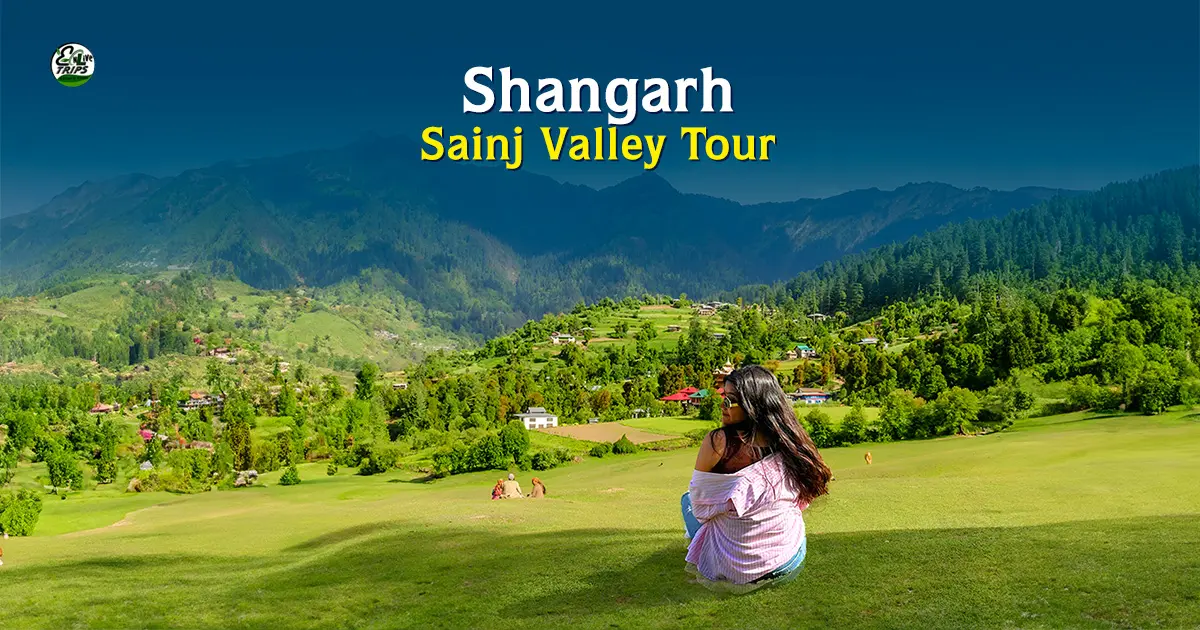
Tucked right beside its more famous neighbour, Tirthan, Shangarh Sainj Valley sits quietly inside the buffer zone of the Great Himalayan National Park, a genuine UNESCO World Heritage Site. No traffic jams at viewpoints, no crowds fighting for the same photo spot, just wide open meadows, pine forests, and a village that still moves at its own pace.
This guide covers everything you need before booking a Shangarh Sainj Valley trip, the best time to go, what the drive and trek actually involve, and what a proper Shangarh Sainj Valley package includes from door to door.
What Makes Shangarh Sainj Valley So Special
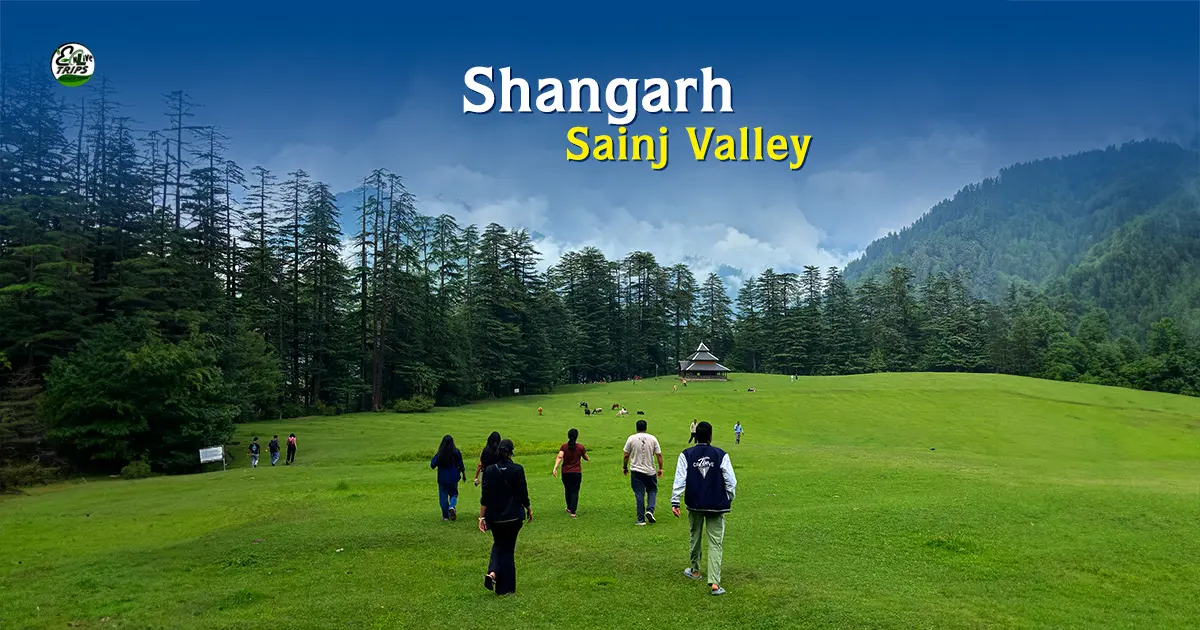
Shangarh sits at roughly 6,900 feet, a small village wrapped in dense deodar and pine forest, about 45 km from Kullu. What sets it apart isn't a single monument or a famous trek. It's the meadow.
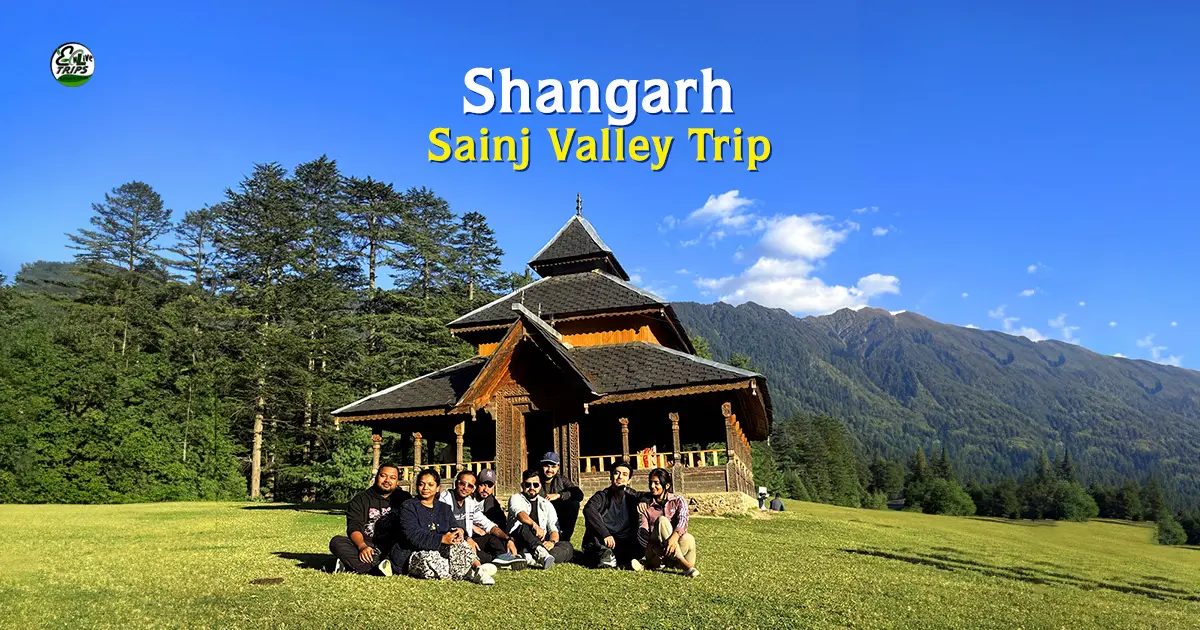
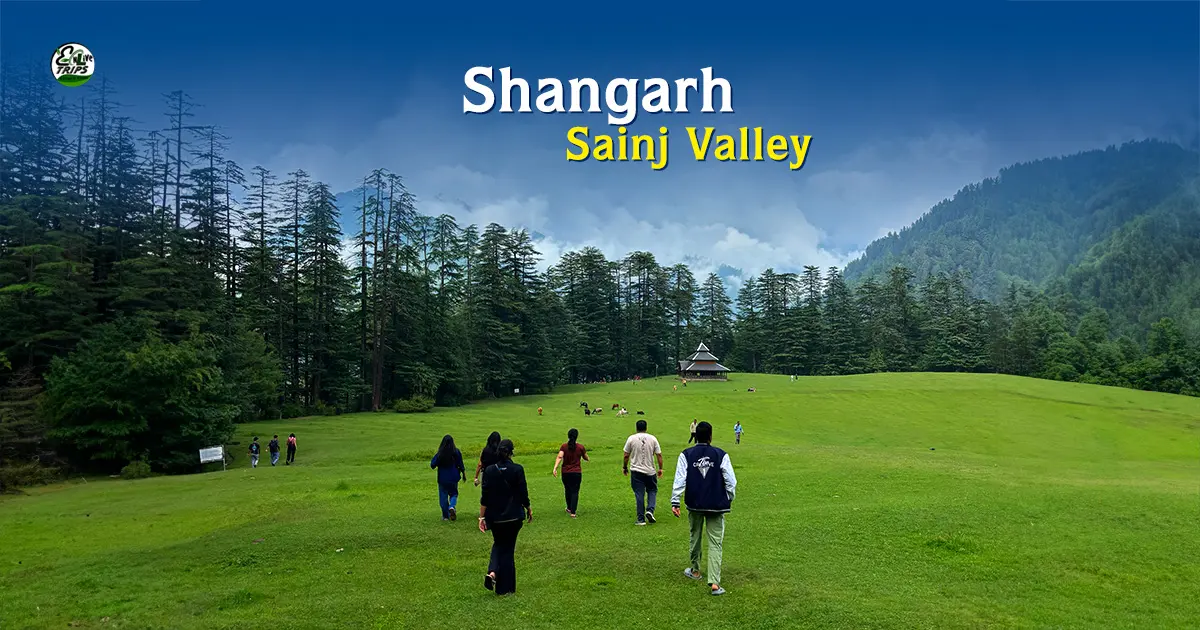
Locals call it Shangarh Ground, and honestly, calling it just a meadow undersells it. This is a wide, sacred stretch of grassland ringed by centuries-old cedar trees, with the Shangchul Mahadev Temple standing right at its centre. People here still remove their shoes before stepping onto it. No permanent construction is allowed on the land, not even for tourism. That kind of respect for a piece of ground is rare, and it's part of why the place still feels untouched.
Shangarh has earned the nickname "Mini Gulmarg" too, thanks to how the meadow rolls out flat and green against a backdrop of snow-dusted peaks in winter. It also doubles as a base point for several treks heading deeper into the national park, which makes it a genuinely useful stop for anyone who wants more than just a scenic photo.
Why Sainj Valley Deserves a Spot on Your List
Here's the honest comparison people rarely make: Tirthan Valley has already been discovered. Cafes, guesthouses, and Instagram reels have turned it into a well-known weekend spot. Sainj Valley, sitting right next door, hasn't caught up to that yet.
That gap matters. You get the same Himalayan scenery, the same GHNP backdrop, and the same clean mountain air, minus the crowd. If you've ever stood at a popular viewpoint waiting for strangers to clear out of your photo, you'll understand why that's worth something.
A few reasons this Shangarh Sainj Valley tour stands out:
● Genuine offbeat status, not just marketing language
● A sacred meadow that feels different from your usual hill station stop
● Access to the Great Himalayan National Park's buffer zone
● Homestay-style accommodation instead of generic hotel rooms
● A short trek to Pundrik Rishi Lake that suits beginners
Every traveller who's already done Tirthan tends to say the same thing once they visit Shangarh: this is what Tirthan probably felt like ten years ago.
Best Time to Visit Shangarh Sainj Valley
Sainj Valley runs cool most of the year, with an average temperature hovering around 20°C, so timing your trip changes what you actually experience.
● March to June: Comfortable weather, clear skies, and blooming rhododendrons along the trekking trails. This is the easiest window for most travellers.
● September to November: Post-monsoon clarity. The meadows stay green, the air is crisp, and visibility on clear days is excellent.
● December to February: Snow season. If you're chasing that Mini Gulmarg look with a white meadow and snow-capped peaks, this is your window, and it's also when ourShangarh Sainj Valley Christmas and New Year trip runs its dedicated winter batches.
● July to September: Monsoon season. Beautiful and lush if you don't mind rain, but roads can get slippery, so this window suits more flexible travellers.
If snow matters to you specifically, plan around January or February. If you'd rather trek comfortably without ice underfoot, March through June or the post-monsoon months work best.
Getting to Shangarh Sainj Valley from Delhi
This isn't a short drive, and it's worth knowing that upfront. Shangarh sits about 470 km from Delhi, and the journey typically breaks into two stages.
The first stretch runs along the Delhi-Manali highway to Aut Tunnel, roughly 10 hours by Volvo bus. From Aut, the road narrows and climbs, so most operators switch travellers from a large bus into smaller private cabs for the final leg into the valley. That last stretch, winding through Sainj town and up toward Shangarh, is where the scenery genuinely starts to shift, with thick forest, terraced fields, and glimpses of the meadow before you even arrive.
It's a long journey, but it's also the reason Shangarh has stayed quiet. Distance is a natural filter, and it's kept this valley from turning into the next crowded hill station.
The Real Shangarh Sainj Valley Itinerary
Here's what a well-structured 3-day, 2-night Shangarh Sainj Valley trip actually looks like on the ground.
Day 1: Delhi to Aut Tunnel
The group assembles at the pickup point in the evening, usually around 6:30 PM, for a quick briefing before departure. It's an overnight journey along the highway, so most of this day is spent travelling, not sightseeing. By the time you reach Aut Tunnel the next morning, you'll switch to private cabs for the final climb into the valley.
Day 2: Shangarh Meadow and Shangchul Mahadev Temple
After a bit of rest and lunch, the real experience begins. You'll walk through Shangarh's meadows, that same sacred grassland ringed by cedar trees, and visit the Shangchul Mahadev Temple sitting right in the middle of it. As evening sets in, most groups gather for a bonfire; dinner follows, and you'll stay overnight in a local homestay.
Day 3: Trek to Pundrik Rishi Lake
This is the highlight for most travellers. An early breakfast, then a moderate trek of about 5 km, roughly 3 hours, through dense forests of rhododendron and deodar, leads to Pundrik Rishi Lake inside the Great Himalayan National Park's range. It's a peaceful spot, worth sitting by for a while before the trek back down. Dinner and another overnight stay follow.
Day 4: Waterfall Visit and Departure
After breakfast and checkout, most itineraries include a stop at either Bharshangarh Waterfall or Rupiraila Waterfall, depending on road conditions that day. From there, it's back to Aut to board the bus for the overnight return journey to Delhi.
Day 5: Arrival in Delhi
You'll typically reach Delhi early the next morning, tired in the good way, with a phone full of meadow photos nobody else in your friend group has.
Other Places Worth Exploring in Sainj Valley
Shangarh usually gets the spotlight, but the valley around it has a handful of worthwhile detours if you have extra time or book a longer trip.
● Shainsher (Shenshar): Home to a striking five-storey pagoda-style temple, built around a centuries-old deodar tree. The architecture alone makes the detour worth it.
● Dehuri and Nahi: Two easily reachable spots with open grasslands, a small roadside lake, and a peaceful, unhurried feel.
● Panihar: Known for a Himachal Pradesh Forest Department rest lodge and genuinely wide panoramic views, popular with travellers who want a quiet spot to just sit and look at mountains.
● Raktisar Trek: A longer, more serious trek from the Neuli base point, rewarding hikers with views of colourful glaciers. Not part of the standard weekend itinerary, but worth knowing about if you're the kind of traveller who wants to come back for more.
How Difficult Is the Shangarh Trek?
Let's be straightforward about this. The core trek to Pundrik Rishi Lake is moderate, not extreme. Around 5 km one way, taking roughly 3 hours, through forest trails that gain altitude gradually rather than punishing you with a steep climb all at once.
Basic fitness is enough. You don't need prior trekking experience, though comfortable footwear and a reasonable walking pace matter more here than in a flat city park. If you can manage a brisk 40-minute walk without struggling, you'll manage this trek just fine.
Winter batches add one extra consideration. Snow can make certain stretches slippery, so if you're visiting during the December to February window, sturdy waterproof shoes aren't optional; they're necessary.
What's Included in a Shangarh Sainj Valley Package
Before booking, it helps to know exactly what a standardShangarh Sainj Valley package covers.
Typically included:
● Volvo transport from Delhi to Delhi
● 2 nights of homestay accommodation
● Sightseeing as per the fixed itinerary
● Meals (usually 2 breakfasts, 2 dinners, and 1 lunch)
● A trip coordinator throughout the journey
● Driver charges and toll or parking fees
Usually not included, so confirm before booking:
● 5% GST, added on top of the listed price
● Extra drinks, snacks, or food outside the set meal plan
● Entry tickets for any sightseeing or activity outside the core itinerary
● Travel insurance
● Any extra costs caused by weather delays or road closures, which do happen occasionally on the narrow final stretch into the valley
Homestays here aren't luxury properties, and that's genuinely part of the appeal. You're staying with local families, eating home-cooked Himachali meals, and getting a version of the valley that a standard hotel simply can't offer.
Winter Departures: Shangarh Sainj Valley for Christmas and New Year
If you're the kind of traveller who wants to ring in the New Year somewhere quiet instead of a crowded city party, this valley makes a genuinely strong case for itself.
OurShangarh Sainj Valley Christmas and New Year trip runs the same core route: Shangarh meadow, the Shangchul Mahadev Temple, the trek toward Pundrik Rishi Lake, and the waterfall stop, but timed around the festive season with snow-capped peaks as the backdrop. December in Sainj Valley genuinely earns its "white Christmas" pitch, with the meadow and surrounding forest dusted in snow.
One practical note for winter travellers: heavy snowfall can occasionally close the road to larger vehicles on the final stretch. In that case, operators typically arrange 4x4 vehicles for the last leg, usually at an additional cost. Worth knowing before you commit to a specific date.
Shangarh Sainj Valley Cost: What to Budget
Real numbers help more than vague "starting from" pricing, so here's what a standard trip typically costs per person.
Regular season (2N/3D):
● Quad sharing: around ₹7,499 plus 5% GST
● Triple sharing: around ₹7,999 plus 5% GST
● Double sharing: around ₹8,499 plus 5% GST
Christmas and New Year special:
● Starting around ₹10,500 plus 5% GST, given the festive timing and peak winter demand
These prices generally cover transport, homestay accommodation, meals as listed, and a trip coordinator. Budget a bit extra for personal expenses, snacks along the drive, and any entry fees for activities outside the standard itinerary.
Who Should Book a Shangarh Sainj Valley Trip
This trip suits a specific kind of traveller, and it's worth being honest about who that is.
● Nature lovers tired of crowded hill stations who want somewhere genuinely quiet
● Beginner trekkers looking for a moderate trail without technical difficulty
● Photography enthusiasts, given how photogenic the meadow and surrounding forest are
● Solo travellers and small groups who want the comfort of a group departure without losing the offbeat feel
● Anyone who's already done Tirthan Valley and wants the next, quieter chapter
It's less suited to travellers chasing nightlife, shopping, or a packed sightseeing schedule. Shangarh rewards slowing down, not rushing through a checklist.
What to Pack for Sainj Valley
Pack for cool mountain weather year-round, with extra layers if you're traveling in winter.
● A down jacket or heavy main jacket, especially for December to February trips
● Outdoor shoes with good grip for the trek to Pundrik Rishi Lake
● 2 to 3 pairs of cotton socks
● Sunscreen and sunglasses for daytime exposure
● A day backpack, 20 to 30 litres, for the trekking day
● Personal basic medical kit
● Power bank, since charging points can be limited in homestays
● Quick-dry towel and a couple of quick-dry tees
● Valid ID documents
Planning Your Shangarh Sainj Valley Trip
Some places get famous because they're genuinely spectacular. Others stay quiet simply because they're a little harder to reach, and Shangarh falls into that second category, which is exactly why it's worth the effort now, before word spreads any further.
If a peaceful meadow, a moderate trek, and a homestay stay sound like your kind of weekend, check out our currentShangarh Sainj Valley package for upcoming dates and pricing, or plan around the festive season if you'd rather welcome the New Year somewhere quiet instead of crowded.