
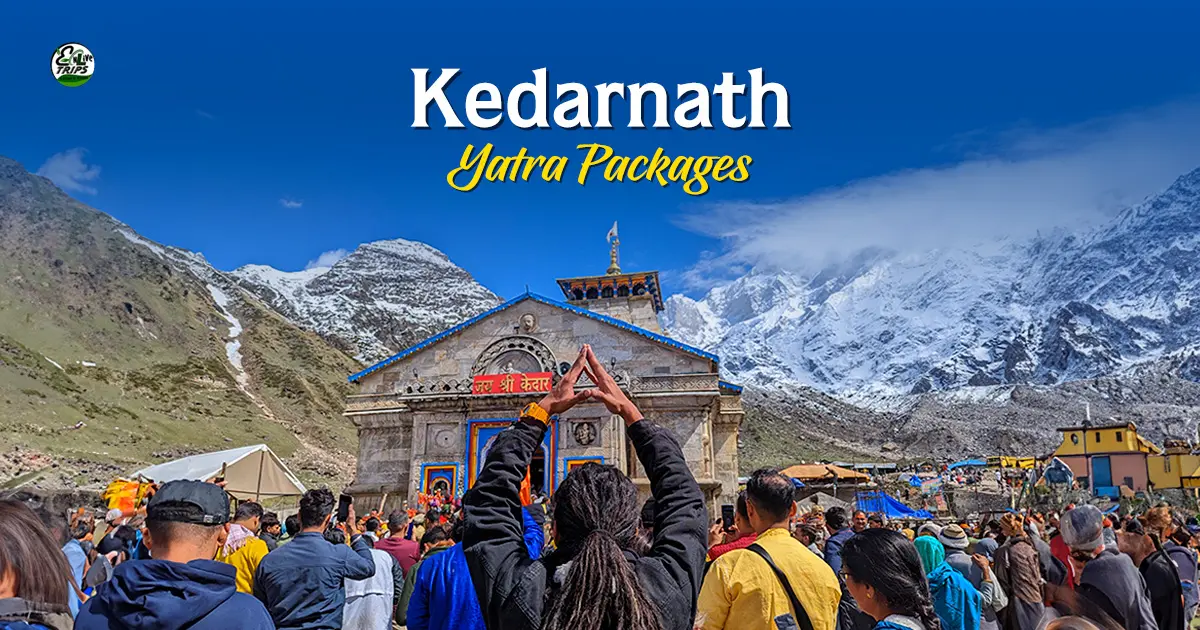
Somewhere around the last kilometre of the trek to Kedarnath, most people stop talking. Not because they're tired, though they usually are. It's the temple coming into view, sitting quietly against the snow-covered peaks; that does it. Photos never quite prepare you for that moment.
If a Kedarnath yatra package is on your list for 2026, this guide covers everything you'll actually need. Registration rules, the real cost, what the trek involves, and how to pick between a straightforward Kedarnath trip and a longer circuit with Tungnath and Badrinath added in. No fluff, just what you need to plan properly.
Why Kedarnath Means So Much to So Many
Kedarnath sits in the Garhwal Himalayas, in Uttarakhand's Rudraprayag district, at an altitude of about 3,583 metres. It's one of the twelve Jyotirlingas dedicated to Lord Shiva and part of the Chhota Char Dham circuit, which makes it one of the most significant pilgrimage sites in the country.
According to the Kedarnath temple's own history, the present structure is believed to have been rebuilt by Adi Shankaracharya, with the original shrine dating back thousands of years to the Pandavas. The temple sits near the Chorabari Glacier, with the Mandakini River flowing close by, and it's only accessible for about six months a year. From April to November, pilgrims can make the journey. The rest of the year, heavy snowfall shuts the route down completely, and the deity is moved to Ukhimath for worship until the temple reopens.
That six-month window is exactly why timing your Kedarnath tour package from Delhi matters so much. Get it right, and you'll walk the trail in clear weather with the mountains fully visible. Get it wrong, and you might be dealing with rain, fog, or a closed route altogether.
Kedarnath Yatra 2026: Opening and Closing Dates
For 2026, the Kedarnath Temple is expected to open around April 22, with the closing date tentatively set for mid-November, depending on that year's weather and snowfall patterns. These dates shift each year slightly based on decisions made closer to the season, so always confirm the exact date before booking your travel.
A few season notes worth knowing:
● April to June: The most popular window. Pleasant weather, clear trails, and the freshest energy of the season.
● July to August: Monsoon season. Landslides and heavy rain make this the riskiest time to trek, and most operators, including us, avoid scheduling batches here.
● September to November: A quieter, often underrated window. Cooler temperatures, fewer crowds, and the trail dries out nicely after the monsoon.
If your schedule is flexible, September and early October are worth serious consideration. You get a calmer yatra without sacrificing much in terms of weather.
Kedarnath Yatra Registration: What You Need to Know
This is the part people underestimate, and it genuinely trips up a lot of first-time pilgrims. Registration for the Kedarnath Yatra is mandatory, and for 2026, biometric Aadhaar-based registration is compulsory for every pilgrim.
Here's how the registration process actually works.
Online registration (recommended):
● Visit the official portal at registrationandtouristcare.uk.gov.in
● Alternatively, download the Tourist Care Uttarakhand app from the Play Store or App Store
● You can also register via WhatsApp by sending "Yatra" to +91-8394833833
What you'll need:
● A valid mobile number and email address
● A government-issued photo ID (Aadhaar is required for the biometric step)
● Basic personal and travel details, including your intended date of travel
Verification: Your registration gets physically checked at Sonprayag, the checkpoint before the trek begins, through a QR code scan on the app or your printed registration letter. Without a valid registration, you won't be allowed to proceed on the trek, so this step is not optional.
The good news is that most Kedarnath tour packages handle this registration on your behalf as part of the booking. Our ownKedarnath tour package includes Dham registration in the package cost, which removes one significant headache from your planning list. Still, it's worth understanding the process yourself, especially if you're booking helicopter tickets separately, since those go through IRCTC's HeliYatra portal and require their own registration check.
How to Reach Kedarnath from Delhi
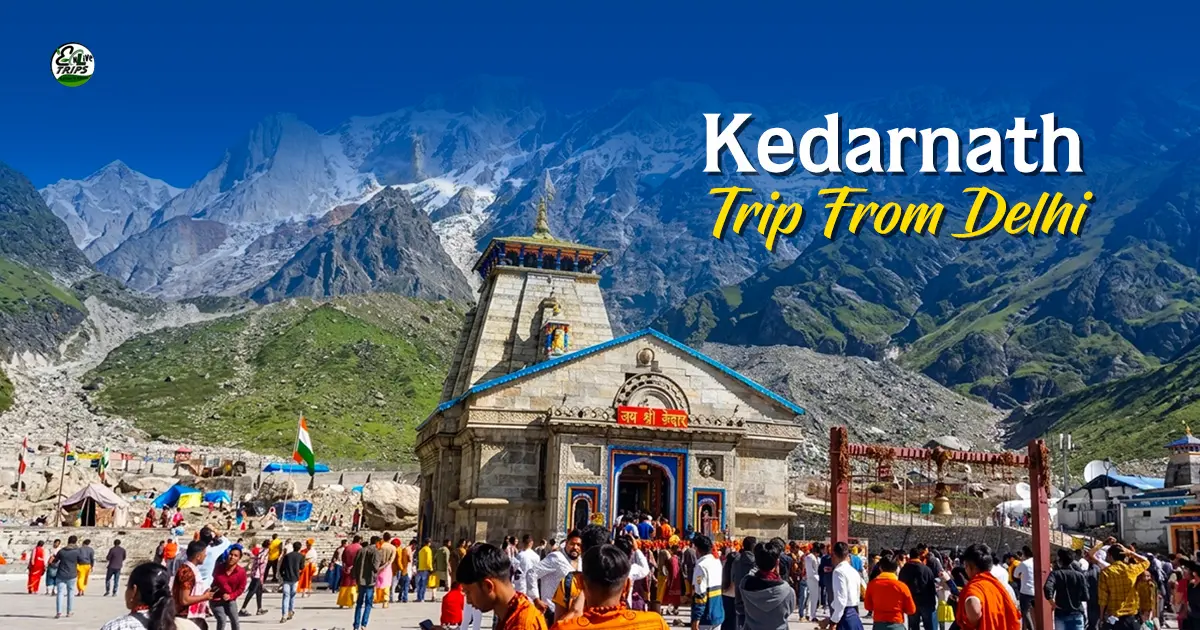
Kedarnath itself has no motorable road. The last stretch is a trek, full stop. But getting to the trek's starting point from Delhi is a well-established route.
Most Kedarnath trips from Delhi follow this path: Delhi to Rishikesh or Devprayag, then onwards toward Guptkashi or Sonprayag, and finally to Gaurikund, where the trek to Kedarnath begins. The full road journey covers roughly 450 km one way and typically takes a full day, often done overnight to save daylight hours for the trek itself. Whichever operator you book with, confirm this exact route on your Kedarnath trip from Delhi itinerary, since a few operators break the drive differently depending on road conditions that season.
From Gaurikund, the trek to Kedarnath covers about 16 to 18 km, depending on the exact route markers used, gaining significant altitude along the way. This is the only way in, aside from a helicopter, which we'll cover shortly.
The Real Kedarnath Yatra Itinerary
Here's what a standard 3N/4D Kedarnath tour package from Delhi actually looks like on the ground.
Day 0: Departure from Delhi
The group assembles at the pickup point, typically Preet Vihar Metro Station, around 9 PM, and departs by 9:30 PM for an overnight journey toward Uttarakhand.
Day 1: Arrival at Sirsi or Guptkashi
You'll reach Devprayag in the morning, stopping for breakfast and taking in the view of the Bhagirathi and Alaknanda rivers merging, a genuinely striking sight even before the main pilgrimage begins. After a lunch stop en route, you'll reach Guptkashi or Sirsi by evening, have dinner, and rest up for the trek ahead.
Day 2: Trek to Kedarnath
An early start, breakfast, and a drive to the trek's starting point. From here, it's a full day on the trail, climbing steadily with the snow-clad mountains and the river as your constant companions. Pony, doli, or helicopter options exist at your own cost if you'd rather not walk the full distance. You'll reach Kedarnath by late evening, have dinner, and rest.
Day 3: Temple Visit and Trek Down
This is the heart of the trip. An early morning visit to the Kedarnath Temple, where you'll seek blessings and take in the view most people describe as the most memorable part of the entire journey. After breakfast, you'll trek back down and check in to your hotel in Guptkashi for the night.
Day 4: Return to Delhi
After breakfast, it's the drive back to Delhi, with a lunch stop around Devprayag along the way. Most groups reach Delhi late at night, tired but carrying something that's genuinely hard to put into words.
How Difficult Is the Kedarnath Trek?
Let's be honest about this instead of glossing over it. The trek covers roughly 16 to 18 km one way, gaining substantial altitude, and it's not a casual walk.
That said, it's also not a technical climb. No ropes, no climbing gear, no specialised skills required. Basic fitness matters more than experience here. If you can manage a long day of steady walking, uphill for a good stretch of it, you can manage this trek. Many pilgrims of varying ages and fitness levels complete it every season, some walking the full distance, others using a pony, palki (doli), or helicopter for part or all of the route.
A few honest points worth knowing:
● Altitude sickness is a real possibility given the elevation gain. Pace yourself, hydrate well, and don't rush the climb.
● Weather can shift quickly. Even in the recommended months, carrying a warm layer and rain protection matters.
● The trail gets crowded during peak season, particularly around May and June, so expect a slower pace in places simply due to pilgrim volume.
If you're planning the trip for elderly family members, it's worth discussing pony or helicopter options in advance rather than assuming everyone in the group will trek the full distance on foot.
What a Kedarnath Tour Package from Delhi Includes
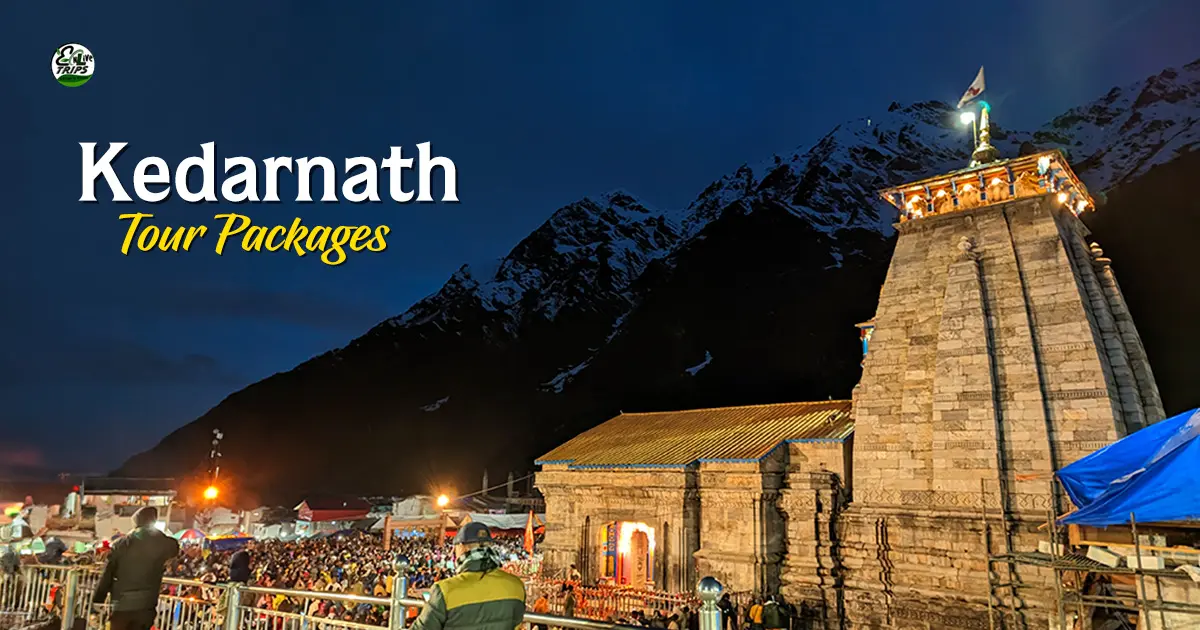
Before booking, know exactly what you're paying for. Here's what our standard package covers.
Usually included:
● Travel from Delhi by deluxe AC coach
● 2 nights stay in Sirsi, 1 night in Kedarnath (quad sharing)
● 3 breakfasts and 3 dinners
● Dham registration
● A trip captain throughout the journey
● 24x7 support
Usually not included:
● Meals not specifically mentioned in the inclusion list
● Personal expenses like laundry, phone bills, and tips
● Any costs arising from natural calamities are to be borne directly on the spot
● Porter, pony, doli, or helicopter charges to reach the temple
● All applicable taxes
● Travel insurance
That last set of exclusions matters more here than on most trips. Mountain weather in this region can genuinely change plans, and a pony or helicopter ride, if you choose one, is a separate cost that varies by season and demand.
Kedarnath Tour Packages Cost: What to Expect in 2026
Real numbers help more than a vague "starting from" figure. Here's what a standard 3N/4D trip costs per person, based on our own package.
● Quad sharing: ₹11,999 plus 5% GST
● Triple sharing: ₹12,999 plus 5% GST
● Double sharing: ₹13,999 plus 5% GST
Budget separately for pony, doli, or helicopter charges if you plan to use them, along with any meals outside the fixed plan and personal shopping. When comparing different Kedarnath yatra packages, always check what's genuinely included versus what gets tacked on as an extra once you're already on the trip. A cheaper-looking Kedarnath yatra package listing sometimes hides a missing registration fee or a thinner meal plan, so read the inclusions line by line before you commit.
Helicopter vs Trek: Which Should You Choose?
This question comes up in almost every planning conversation, so let's address it directly.
Trekking: It is the traditional, budget-friendly route. It takes a full day, demands reasonable fitness, and for many pilgrims, the physical effort is part of the spiritual experience itself. There's something to be said for earning that first view of the temple with your own legs.
Helicopter Services: These cut the journey down to minutes each way and are booked exclusively through IRCTC's HeliYatra platform, sold as round-trip tickets only for the 2026 season. This is the better option for elderly travellers, anyone with health concerns, or pilgrims on a tight schedule who can't spare the trekking days. The trade-off is cost: helicopter seats run considerably higher than the base package price, and availability during peak season books up fast.
Many families end up mixing both, with fitter members trekking and others flying, meeting up at Kedarnath itself. If that's your plan, mention it to your operator early so the itinerary and hotel bookings account for the different arrival times.
Extending the Trip: Kedarnath, Tungnath, and Badrinath
If a single Kedarnath yatra doesn't feel like enough, and for a lot of pilgrims, once they're in the region, it genuinely doesn't, extending the trip to include Tungnath and Badrinath is a natural next step.
Tungnath sits along the way and holds its own significance as the highest Shiva temple in the world, reached via a moderate trek through Chopta, a spot often called the "Mini Switzerland of India" for its meadows and forest views. Badrinath, dedicated to Lord Vishnu, sits further along the circuit near the Alaknanda River and rounds out the trip with a completely different but equally powerful atmosphere.
OurKedarnath Tungnath Badrinath trip from Delhi combines all three into one extended journey, so you're not making separate trips to the same region months apart. It's a longer commitment than the standalone Kedarnath package, but for pilgrims who want the fuller Char Dham experience in one go, it's genuinely worth the extra days.
What to Pack for the Kedarnath Yatra
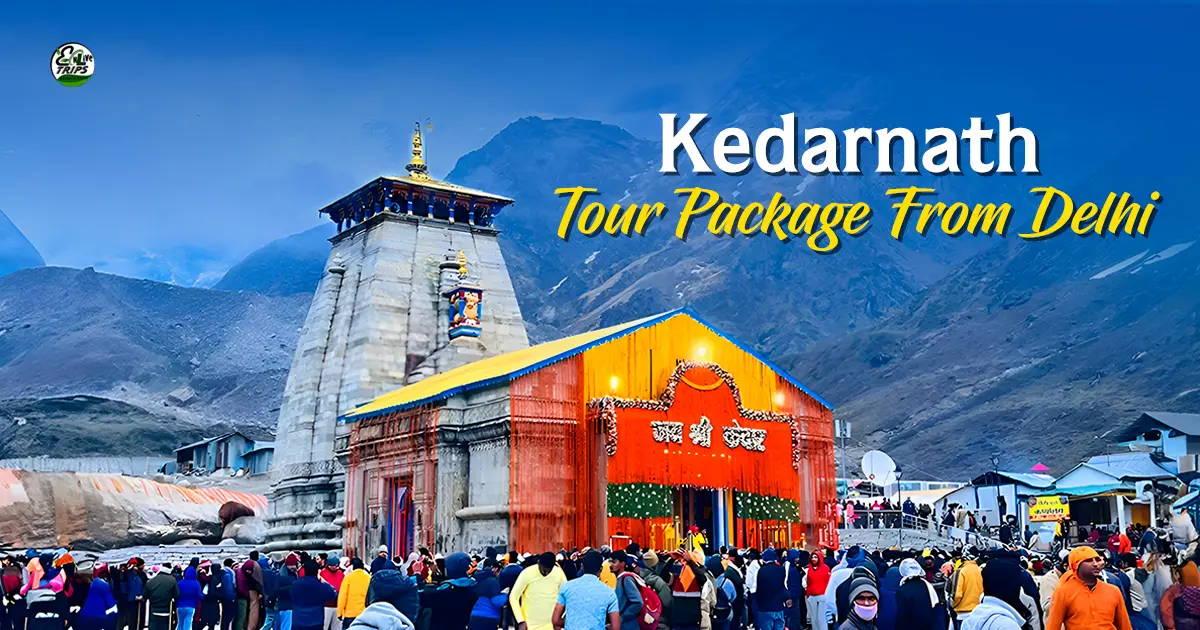
Pack for cold mountain weather and a full day of walking, regardless of which month you go.
● A down jacket or heavy main jacket, since temperatures drop sharply once you gain altitude
● Sturdy outdoor trekking shoes with good grip
● 3 pairs of cotton socks and quick-dry t-shirts
● Sunscreen (SPF 40 or higher), sunglasses, and a cap
● A day backpack, 20 to 30 litres
● A one-litre water bottle
● Personal basic medical kit, including any regular medications
● A power bank, since charging points are limited past Guptkashi
● Valid ID documents, along with your yatra registration confirmation
● A quick-dry towel and rain protection, even outside monsoon months
If you use spectacles, photochromic lenses handle the bright mountain sunlight better than contact lenses on a long trek day.
Who Should Book a Kedarnath Yatra Package
This yatra genuinely suits a wide range of travellers, more than people expect.
● First-time pilgrims who want the registration, logistics, and trek guidance handled for them
● Families, especially when pony or helicopter options are arranged for elderly members
● Solo travellers, since a group departure provides both safety and company on a long trekking day
● Devotees planning a fuller Char Dham experience, who can extend into the Tungnath and Badrinath circuit
● Anyone seeking a physically meaningful pilgrimage, since the trek itself becomes part of the spiritual experience for many
It's a demanding trip physically, so anyone with serious heart, joint, or breathing conditions should consult a doctor and strongly consider the helicopter option instead of the full trek.
Tips for a Smooth Kedarnath Trip
A few habits make a genuine difference on a trip like this.
● Register early
Peak season sees over a lakh registrations within days of opening, so don't leave this until the last minute.
● Trekking shoes
Break in your trekking shoes before the trip. New shoes on an 18 km trek is a recipe for blisters.
● Carry cash
ATMs are scarce past Guptkashi, and small shops along the trail don't always accept cards.
● Start the trek early in the day
Weather in the mountains tends to turn by afternoon, so an early start gives you the best conditions.
● Listen to your body
If you feel breathless or unwell, tell your trip captain immediately rather than pushing through.
Planning Your Kedarnath Yatra
Some trips are about seeing a place. This one is about something a little different: standing in front of a temple that's drawn pilgrims for centuries, at the end of a trail that makes you earn the view.
If 2026 is the year you finally make this journey, take a look at ourKedarnath tour package for current batch dates, or consider the extendedKedarnath Tungnath Badrinath trip if you'd rather make the most of being in the region. Register early, pack warm, and give yourself the time this yatra deserves.