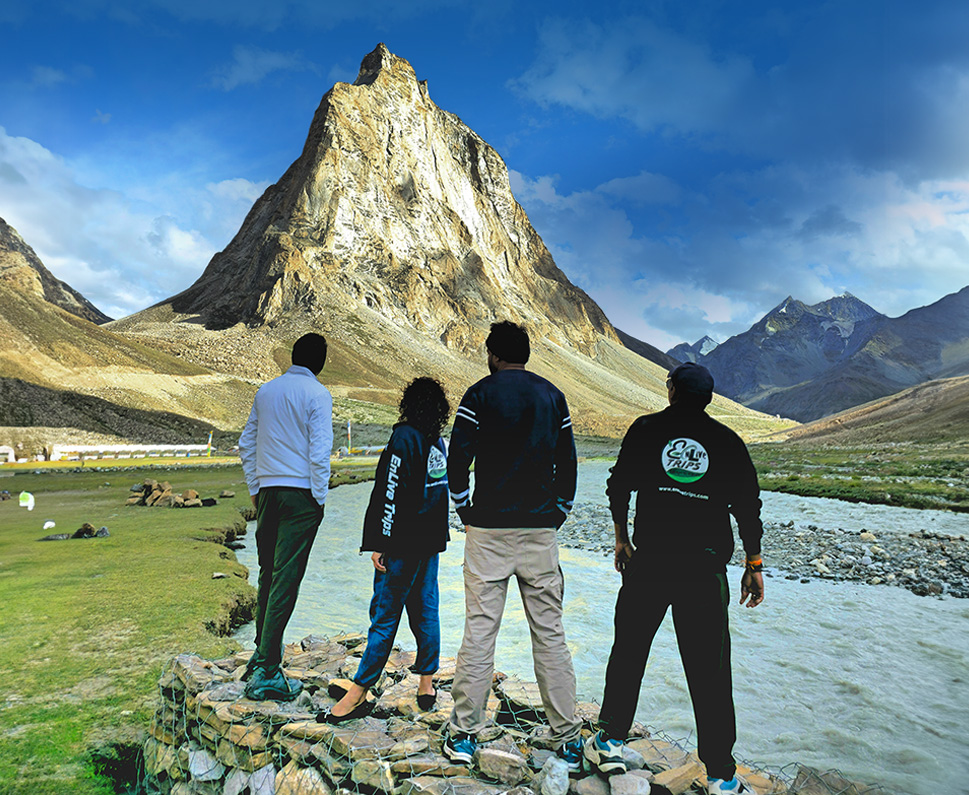


Leh Ladakh, often called the “Land of High Passes,” is one of the most stunning travel destinations in India. Nestled in the northernmost part of Jammu and Kashmir, Ladakh lies between the mighty Himalayas and the Karakoram ranges. Known for its raw beauty, dramatic landscapes, and vibrant culture, it offers an unforgettable experience to travelers seeking both adventure and serenity.
At an average altitude of over 10,000 feet, Leh Ladakh is famous for its breathtaking scenery – snow-capped peaks, vast barren mountains, azure blue lakes, colorful monasteries, and unique valleys. The capital town, Leh, is the gateway to Ladakh and a bustling center that combines traditional Ladakhi culture with modern comforts. Walking through Leh’s markets, one can find Tibetan handicrafts, prayer flags, traditional jewelry, and the aroma of local cuisine like momos and thukpa.
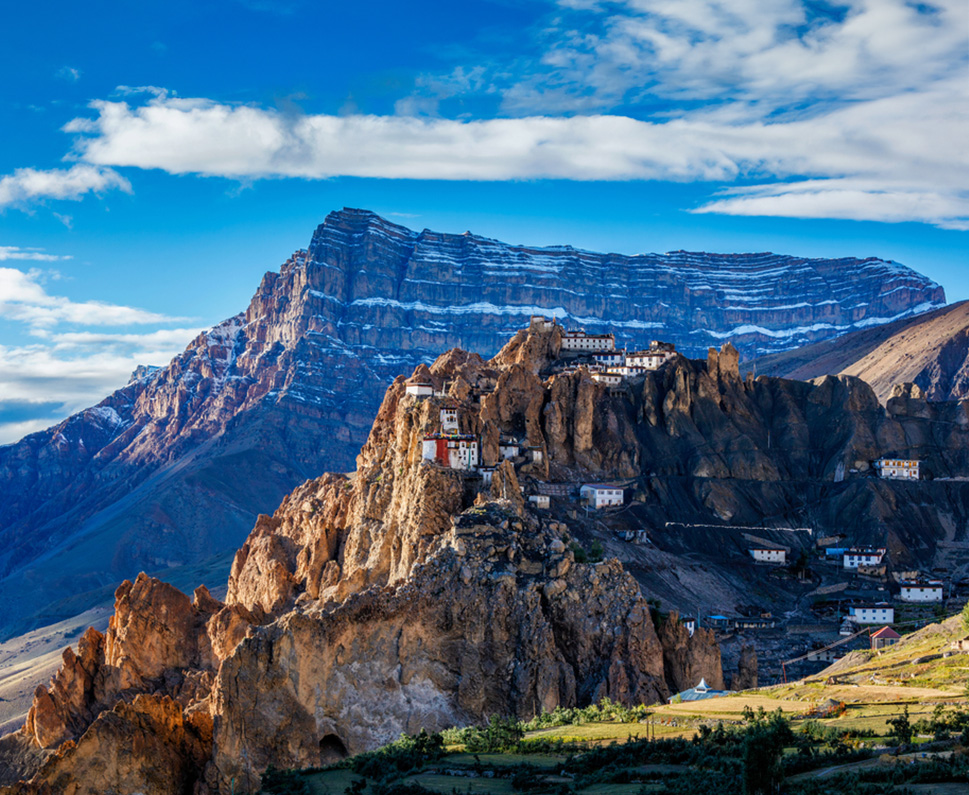
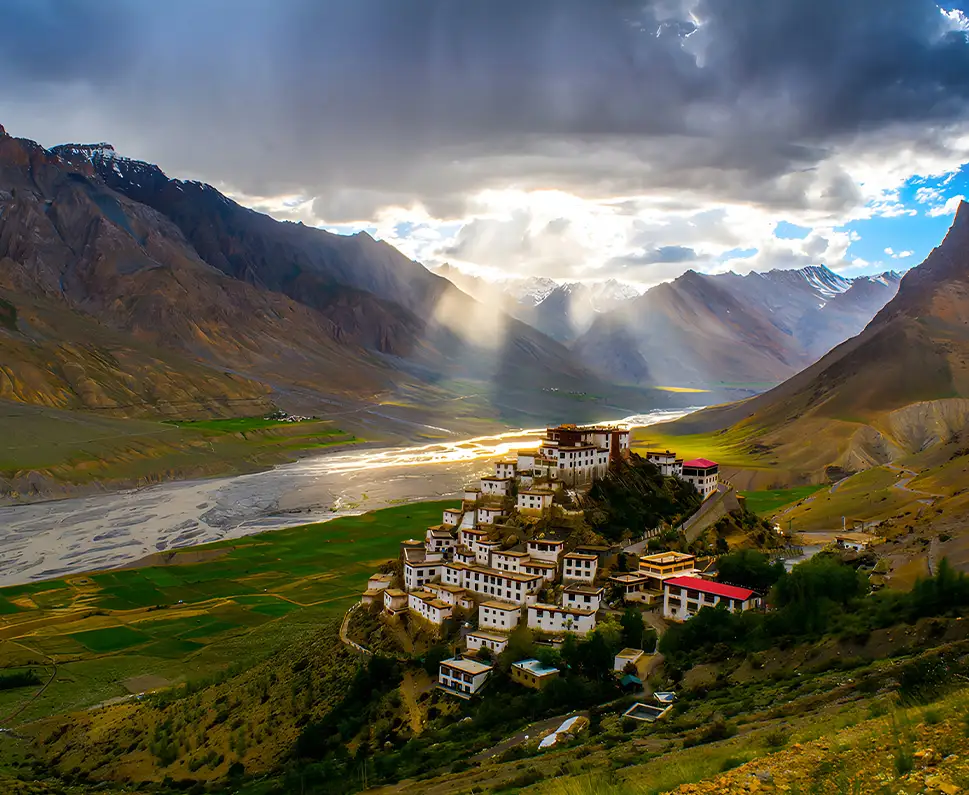
A trip to Ladakh is incomplete without visiting its monasteries, which are spiritual as well as architectural marvels. Hemis Monastery, Thiksey Monastery, and Diskit Monastery are among the most prominent ones, where travelers can witness the rich Buddhist heritage and peaceful surroundings. The fluttering prayer flags, chanting monks, and intricate wall paintings make these monasteries a highlight of the region.
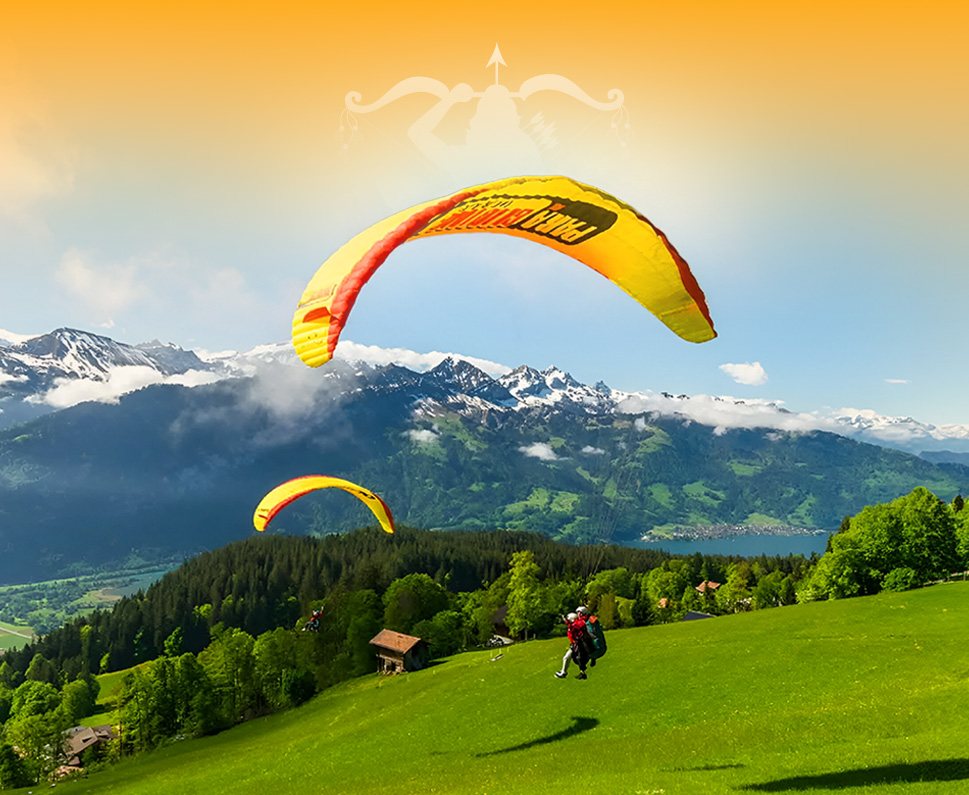
For adventure enthusiasts, Ladakh is nothing short of a paradise. Trekking trails such as the Chadar Trek, Markha Valley Trek, and bike expeditions through rugged terrains attract thrill-seekers from across the world. Driving through some of the highest motorable passes in the world – like Khardung La (18,380 ft) and Chang La (17,590 ft) – is an exhilarating experience. These passes connect remote valleys like Nubra and Pangong, each offering its own charm.
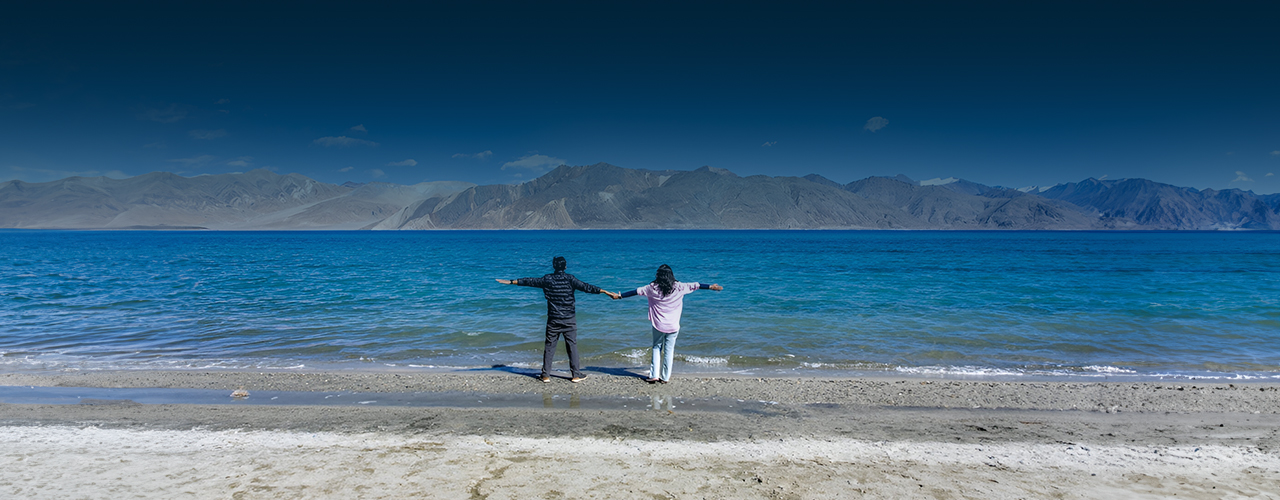
The Nubra Valley, known for its sand dunes, double-humped camels, and lush green villages, presents a stark contrast to Ladakh’s otherwise barren landscapes. Further ahead lies Turtuk, the last Indian village on the Indo-Pak border, famous for its Baltistani culture and apricot orchards. On the other side, the mesmerizing Pangong Lake captivates visitors with its ever-changing shades of blue, stretching across India and into Tibet. Similarly, Tso Moriri is another pristine lake, less visited but equally enchanting.
Beyond adventure, Ladakh is also a place of deep spirituality and cultural richness. Festivals like Hemis Festival bring the region alive with mask dances, music, and rituals that celebrate the victory of good over evil. The warmth of the Ladakhi people, despite the harsh climate, leaves every traveler with lasting memories.
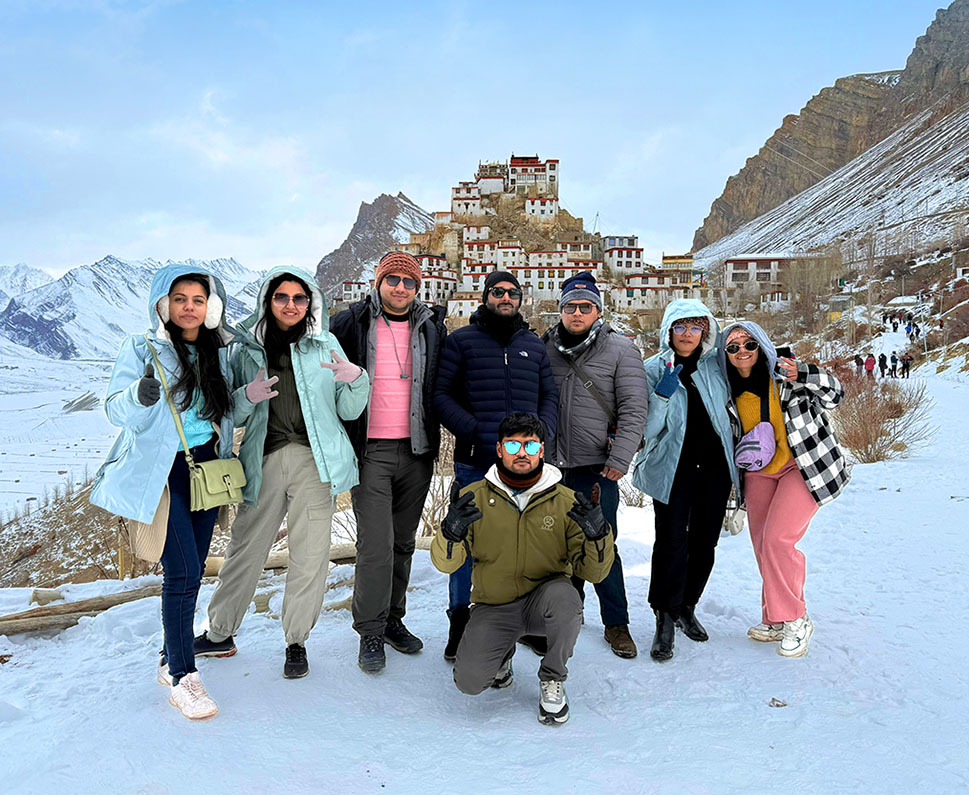
The best time to visit Ladakh is from May to September, when the weather is pleasant and roads remain open. During winters, the region transforms into a white wonderland, though accessibility becomes limited.
Leh Ladakh is more than just a travel destination – it’s an experience of nature’s grandeur, cultural depth, and soulful adventure. Whether you are an explorer, a biker, a spiritual seeker, or a nature lover, Ladakh promises a journey that will stay with you forever.